
⛓️💥 Not Just a Climate Problem: Solving for Food Supply Chain Fragility
Rewiring agriculture and food system arteries for resilience is already a multi-billion dollar opportunity - made larger and growing by climate change.

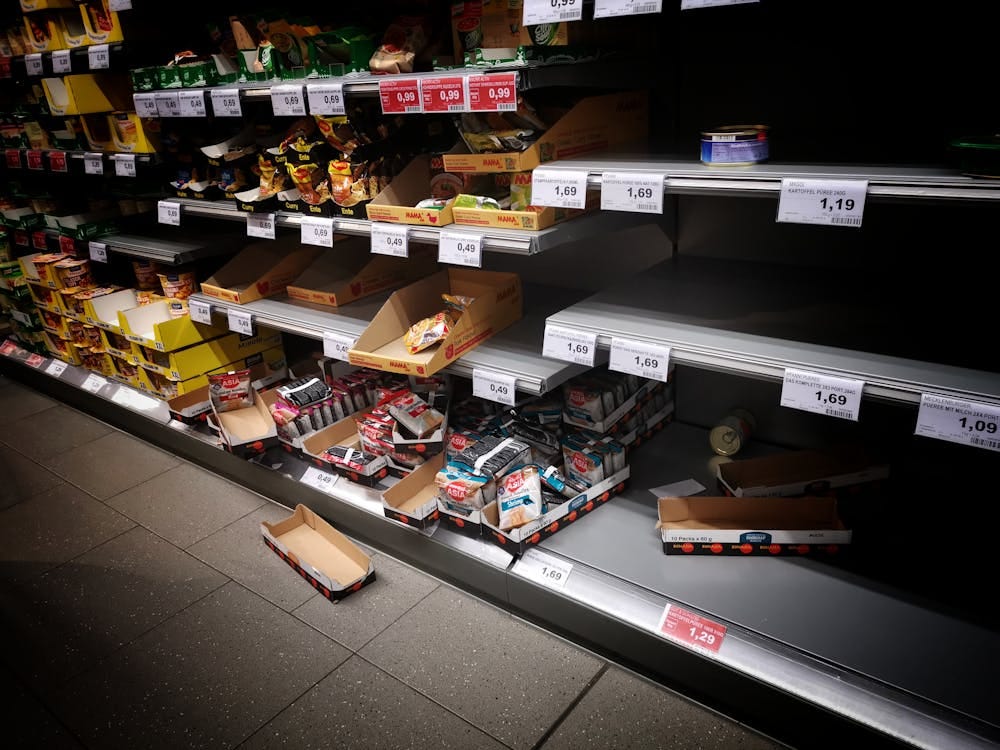
🔗 Rewiring the Links From Farm to Fork
Every climate shock ripples through our agricultural system. A drought on the Mississippi stalls grain exports, a snowstorm shuts beef plants, and a heatwave in Europe rots produce before it reaches the shelf. The global food supply chain, worth $9 trillion annually, operates on razor-thin margins.. This creates billions in losses and gaps that startups are uniquely positioned to fill - not just to create a more climate-resilient food supply chain, but to create more buffer for businesses to thrive. For founders, this is a moment: adaptation and resilience isn’t just a defensive play, it’s a market opportunity to re-architect the backbone of food logistics and define the next era of climate-smart agriculture.
🌍 Problems to Solve
The Scope of the Problem: Agriculture supply chains have been engineered for efficiency, not resilience. That fragility is showing: drought-driven low water on the Mississippi caused $565M in grain export losses in just six months as a result of reduced barge capacity delaying grain shipments. Globally, 13% of food is lost before retail due to spoilage and logistics breakdowns. Climate volatility compounds these risks. In the U.S. alone, billion-dollar weather disasters have surged from an annual average of 9 since 1980 to 23 per year between 2020 and 2024 (CPI-adjusted).
The Current Adaptation and Resilience Gap: Despite the mounting losses, supply chains remain brittle. Production is concentrated in vulnerable regions, rural cold storage is underbuilt, and most midstream operators lack tools to anticipate disruptions. The just-in-time delivery model fails when extreme weather punches holes in operations and logistics. For example, in early 2024, Tyson and Cargill were forced to idle U.S. beef plants due to a snowstorm, stalling production with a 25% drop in beef production and exposing how brittle food processing nodes are. Corporations admit the risk, with 99% of them reporting that climate has impacted their supply chains.
📊 Demand Drivers
Demand Signals: Adoption of resilient supply chain tools is beginning to accelerate, but uptake lags behind the urgency of disruption. Retailers, processors, and governments acknowledge the risks, yet investments remain fragmented. Key market trends include:
Chokepoint Economics: Droughts have lowered water levels on the Panama Canal, Rhine, and Italy’s Po River, stranding shipments and driving up freight costs. These chokepoint shocks are balance-sheet issues, creating demand for solutions that stabilize costs and reduce volatility.
Cold Chain Costs: Labor expenses make up 30-35% of warehouse costs and have risen by 23-27% over the past four years. Energy costs make up 8-11% of costs, with rising grid-scale energy prices pushing OpEx costs higher. Climate extremes make these costs even less predictable. For founders, this creates demand for solutions that cut energy intensity, automate labor, and harden cold chains against climate volatility.
Insurance Pricing Pressure: Cargo insurers are already raising premiums and tightening exclusions for temperature-sensitive goods, especially reefer containers that handle ~90% of global trade.
Compliance Pressure: Regulations such as the EU’s EUDR (deforestation-free commodities, effective 2025) are forcing corporates to invest in supply chain traceability and verification.
Food Waste Economics: With U.S. food waste valued at $218 billion annually and EU waste at €132 billion annually, the scale of loss is itself the market signal.
Together, these forces create clear demand signals and a wide-open space for founders to build resilient agriculture supply chain solutions.
Industry Maturity: Agricultural supply chain resilience is moving beyond pilots, but scaling remains difficult. Farmers, processors, carriers, retailers, and insurers all operate with different data systems, incentives, and time horizons, making integration of solutions slow and uneven. While individual tools like visibility platforms, cold storage upgrades, or parametric insurance are maturing, stitching them together into something that works across the chain is still rare.
It’s like the early days of cloud computing: the infrastructure exists, the potential is obvious, but most actors are still piecing together point solutions without a unified system.
The near-term opportunity is for founders to design solutions that plug into messy, multi-actor value chains and prove ROI without requiring perfect integration from day one.
🚧 Challenges & Barriers
Even as demand for resilience grows, founders face structural hurdles that slow adoption. These barriers don’t make the opportunity smaller; they make the need for creative business models and founder-led innovation even greater.
Fragmented Chains & Misaligned Incentives: Food loss occurs at every step, from farm to processor to retailer, but no single player owns the full cost or benefit of solving it. This misalignment makes it difficult to monetize resilience improvements without bundled solutions or shared-savings models.
High CapEx, Low Margin Buyers: Cold storage and processing upgrades cost 45–60% more than historical averages, but food retailers in the U.S. and EU operate on net margins as low as 1.6%. That makes it hard for startups to sell infrastructure-heavy solutions without creative financing or clear near-term ROI.
Legacy Systems Limit Tech Adoption: Many food distributors still rely on paper logs, spreadsheets, and siloed software, making it hard to adopt traceability or risk-monitoring tools. Poor system integration, limited visibility, and high error rates in last-mile delivery remain major barriers to building responsive, climate-resilient supply chains.
🌐 Who’s Solving What Today?
Early-stage innovators in North America and Europe are beginning to tackle the weak links in food supply chains, though solutions remain fragmented.
Cold Storage: GlacierGrid builds IoT-enabled monitoring and optimization tools for refrigeration systems, helping food distributors cut spoilage and energy costs. CryoLogistics develops portable refrigeration units designed to reduce losses in transit without reliance on diesel.
AI & Climate Risk Analytics: ClimateAI provides predictive software for food brands to model climate-driven risks and reroute logistics. Everstream Analytics offers real-time monitoring of supply disruptions, tailored to agrifood corporates.
Traceability & Transparency: Provenance and Ripe.io use blockchain and digital ledgers to verify sourcing, emissions, and farm-level practices. These platforms give retailers and regulators visibility into where vulnerabilities lie and how suppliers are adapting. Syngenta has built MAP systems tracking every step of the supply chain from farm to consumer.
Market Linkages & Regional Hubs: Local Line gives small farms digital tools to sell directly to restaurants and grocers, cutting dependency on centralized distribution. Harvie connects local producers to households through subscription models, offering a buffer against national supply chain shocks.
Waste & Efficiency Platforms: Full Harvest runs a marketplace for surplus and imperfect produce, reducing upstream waste and giving processors new supply options. Silo provides financing and logistics support for perishable food distributors, helping thin-margin players survive climate and market volatility. Flashfood connects retailers that have nearly expiring and/or surplus products with consumers to keep them out of landfills.
These startups highlight how early-stage innovation is clustering around cold chain, risk intelligence, and localized distribution. The missing piece is integration, tools that combine storage, analytics, and traceability into coherent systems for food companies and distributors.
🔭 TLDR: Where are the Conditions Ripe for Innovation?
When supply chains break, everyone feels it—farmers, distributors, retailers, and consumers alike. As climate volatility intensifies, the cracks in our food system are widening faster than stopgap measures can address.
GigaClimate’s POV: Agricultural and food supply chains have been optimized for cost and speed, not resilience, and the result is mounting commercial losses and systemic risk. But resilience is no longer optional as the cost and frequency of disruptions have accelerated. The next generation of startups has an opportunity to rebuild food logistics from the ground up with storage, intelligence, and financing designed for a hotter, more volatile world. What we’re watching for:
Cold Chain Innovations: Modular, low-cost, and deployable solutions for distributors in rural and peri-urban regions.
AI-driven Forecasting & Rerouting Tools: Helping distributors and retailers anticipate and adapt to extreme weather disruptions.
Waste-to-Value Marketplaces: Turning surplus and imperfections into supply, not loss.
Financing & Insurance Models: Making CapEx-heavy resilience infrastructure viable in thin-margin industries (such as processors, distributors, and retailers).
Integration Opportunities: Connecting storage, analytics, and traceability into bundled, easy-to-adopt systems for retailers.
Traceability Platforms: Verifying sourcing, emissions, and resilience practices across the supply chain - particularly in the EU, where reporting is becoming mandatory
Resilience isn’t just about protecting the chain; it’s about unlocking new value from it. The founders who can turn volatility into an advantage will be the ones who define the next era of climate-smart food system supply chains.
✅ Key Questions for Builders
Agriculture and food supply chains are the circulatory system of agriculture, and right now, they’re fragile and exposed to most climate shocks. Resilience here isn’t a luxury; it’s the difference between farmers getting paid, shelves staying stocked, and billions in losses avoided. The next wave of supply chain innovation won’t just patch cracks; it will re-architect the system to be distributed, data-driven, and durable in the face of volatility.
At GigaClimate, we’re looking for entrepreneurs and operators who can transform agriculture and food logistics from a vulnerability into an advantage. If you’re building tools that reduce waste, unlock financing, and harden the midstream against disruption, we want to hear from you.
As you build, here are the questions we think matter most:
How can resilience solutions prove ROI fast enough to win in a 1–3% margin industry?
What business models (leasing, shared-savings, embedded finance) can make CapEx-heavy cold chain and logistics upgrades adoptable?
How do we design data platforms that integrate with legacy systems without overburdening operators?
Can traceability move beyond compliance to become a competitive advantage for buyers and brands?
Where are the openings to bundle storage, analytics, and financing into easy-to-adopt resilience packages?
Stick with us as we move deeper into this Adaptation & Resilience series. The next era of agriculture won’t be defined by efficiency alone; it will be built by those who can keep food moving when the system is under stress.